Expert winter tree care from Tree Care Enterprises — serving Rockford and Northern Illinois since 1978.
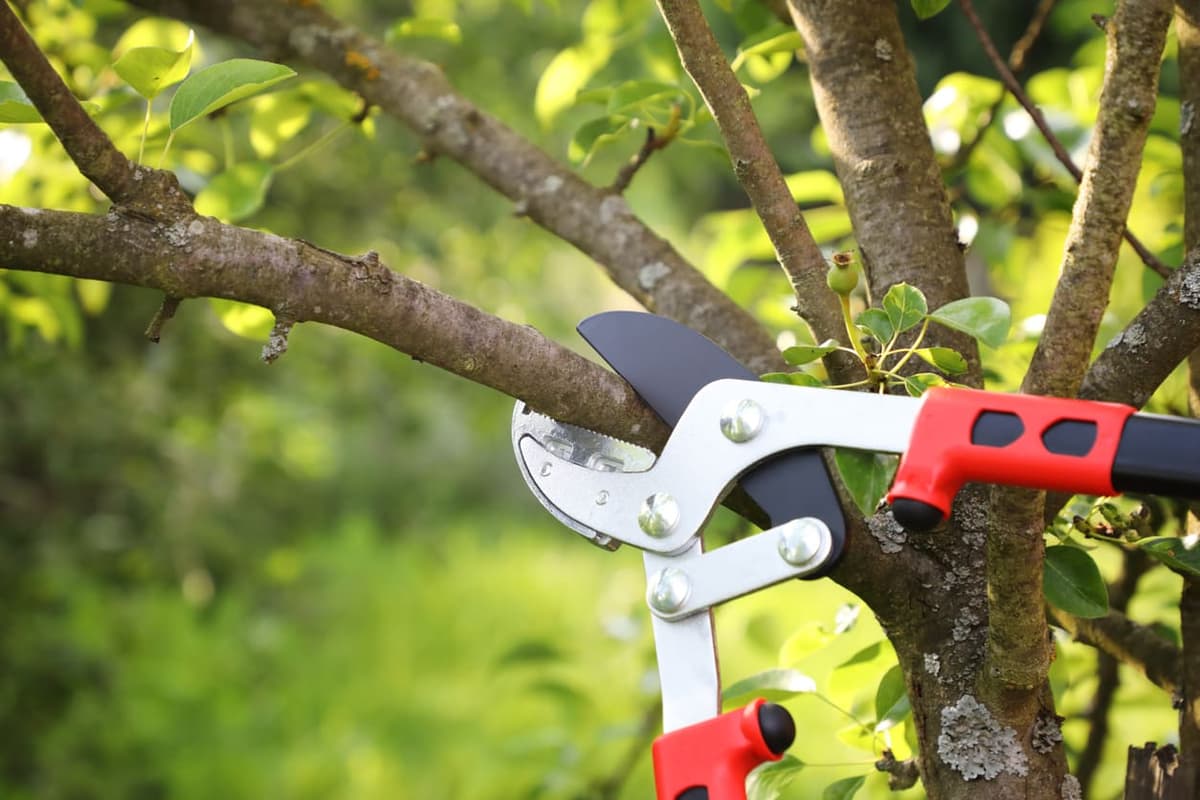
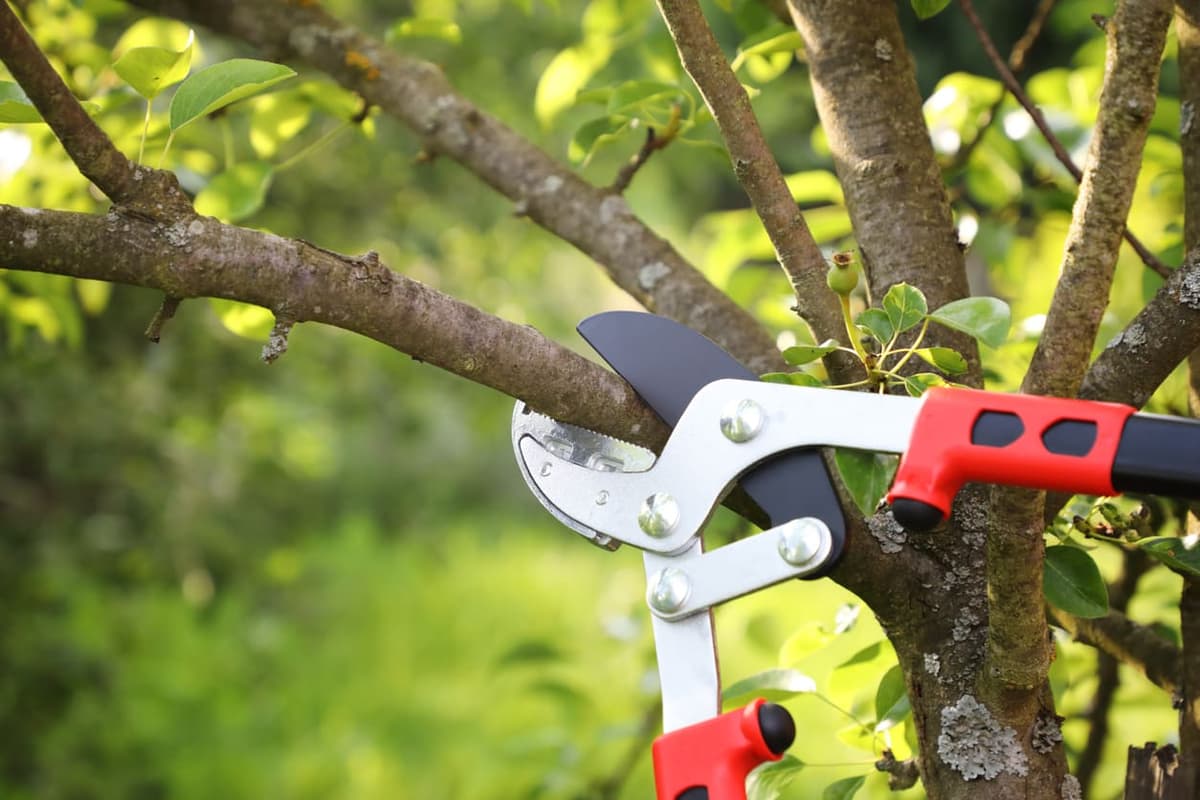
When most people think of tree care, they picture crews working in warm weather. But at Tree Care Enterprises, some of our most important work happens in the dead of winter — and for good reason. Winter pruning isn't just possible; for oaks and elms in Northern Illinois, it's strongly preferred.
Why Oaks Must Be Pruned in Winter
Oak trees in Illinois are highly susceptible to Oak Wilt, a devastating fungal disease that can kill an oak within a single season. The disease is spread primarily by sap-feeding beetles that are attracted to fresh pruning wounds during the growing season — especially from April through July. These beetles carry fungal spores from infected trees to healthy ones, and the fungus can also spread through root grafts between neighboring oaks.
By pruning oaks during the dormant season — typically November through March — we dramatically reduce the risk of Oak Wilt infection. Beetle activity drops to nearly zero in cold temperatures, and pruning wounds have time to begin closing before spring arrives.
Why Elms Should Be Pruned in Winter, Too
Elm trees face a similar threat from Dutch Elm Disease (DED), a fungal disease spread by elm bark beetles attracted to fresh cuts. Winter pruning keeps elms protected during their most vulnerable window. As with oaks, dormant-season cuts allow the tree to begin sealing before beetle season begins in spring.
Additional Benefits of Winter Tree Pruning
Disease prevention is just one reason our crews love winter pruning. There are several practical advantages to dormant-season work:
- Better visibility. Without leaves, the full branch structure of a tree is exposed. Our arborists can more clearly identify dead, crossing, and structurally weak branches that need attention.
- Deadwood removal. Deadwood often harbors disease-spreading insects and fungal pathogens. Removing it in winter stops the cycle before spring arrives.
- Promote vigorous spring growth. Pruning just before the spring flush directs the tree's energy into strong new growth on remaining branches.
- Prevent property damage. Overhanging or compromised branches that could fall during spring storms can be identified and removed before the risk arrives.
- Improve driver and pedestrian visibility. Raising crowns over driveways, sidewalks, and roads is cleanly accomplished when branches are bare.
Which Trees Benefit Most from Winter Pruning?
While oaks and elms benefit most due to disease risk, many other species benefit from dormant-season care:
- Crabapples and ornamental cherries — reduces the risk of fire blight spread
- Birch and maple — reduces heavy sap flow ("bleeding") that can occur with spring pruning
- Most shade trees — structural pruning is easier to assess without leaf interference
Our Crews Work Year-Round
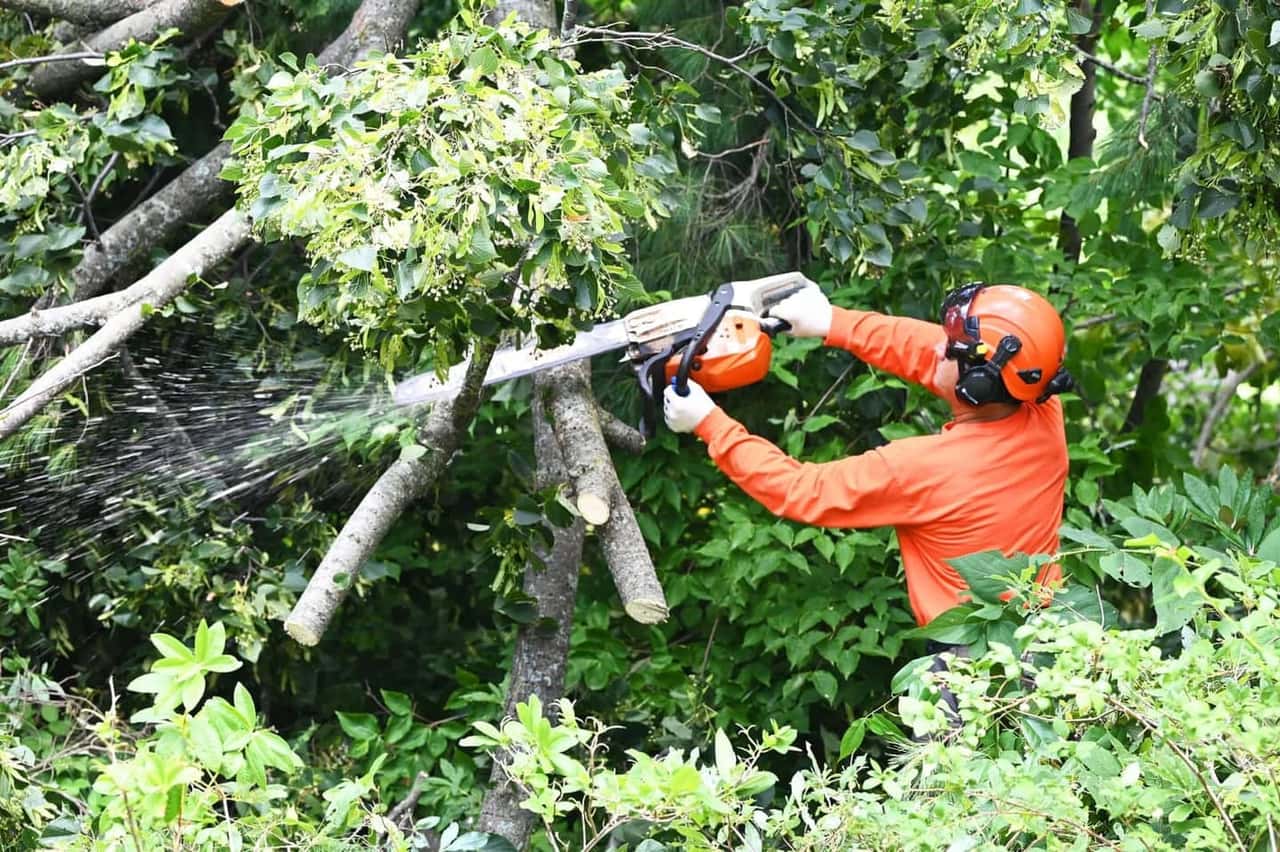
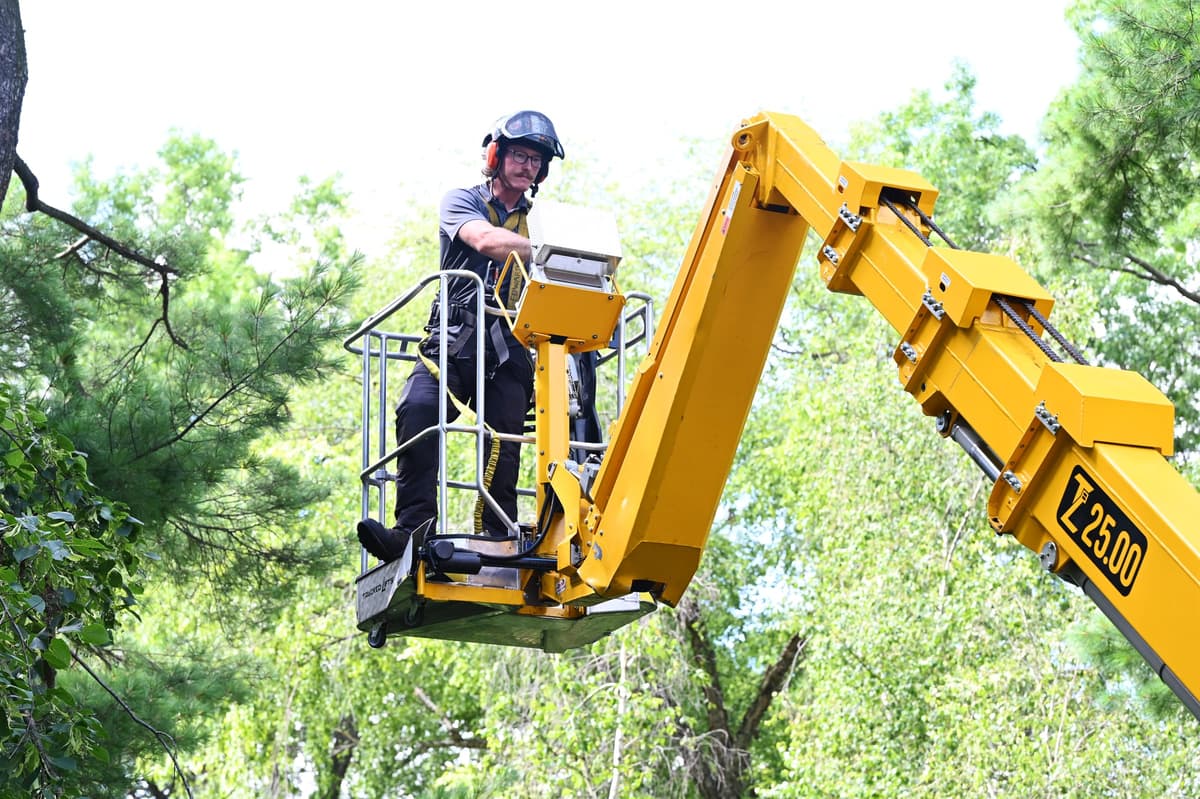
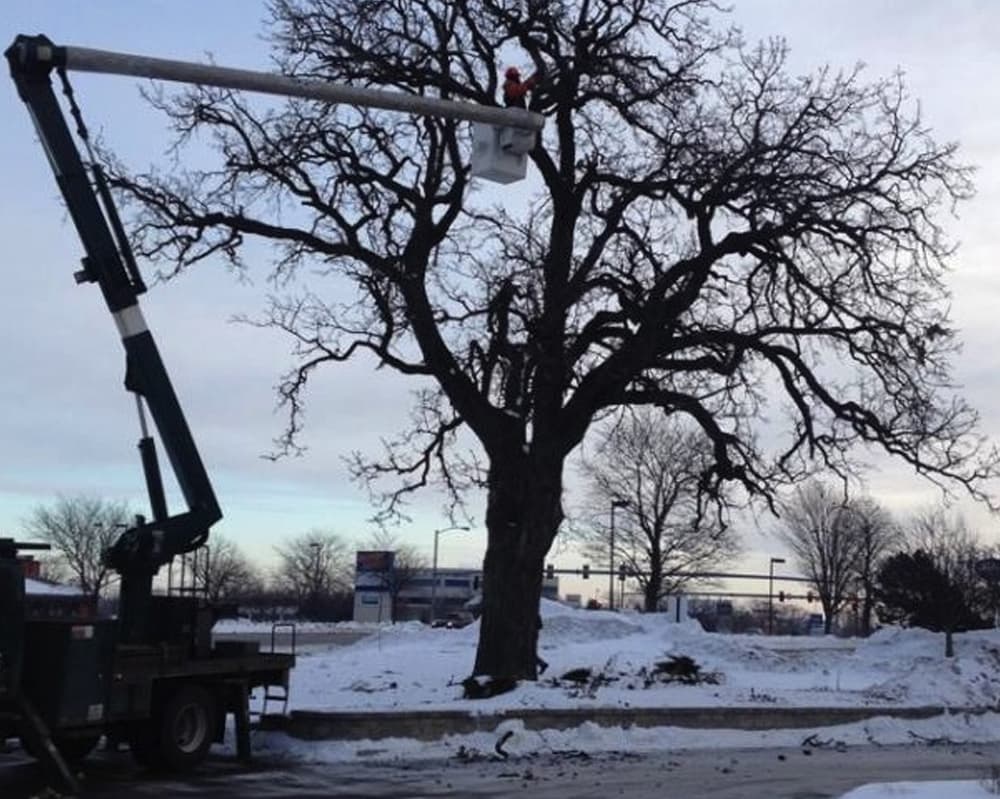
At Tree Care Enterprises, our certified climbing crews and bucket truck operators work through Illinois winters. With the right equipment, safety protocols, and decades of experience, we make fast and efficient work of even the largest pruning jobs — regardless of weather conditions.
If your oaks, elms, or other trees are overdue for pruning, now is an excellent time to act. Don't wait until spring when beetle activity peaks and disease pressure rises.
Call Tree Care Enterprises at (815) 965-5757 to schedule your winter pruning consultation. We serve Rockford, Machesney Park, Loves Park, Rockton, and surrounding communities throughout Northern Illinois and Southern Wisconsin.